

Ultimate Guide
Peptide Purity Testing Standards: A Complete Guide
Peptide purity testing standards explained: HPLC, mass spectrometry and COAs. Learn how to verify identity and purity for reliable research results.
Research guides on peptide quality: reading COAs, purity testing, batch verification and lab methods.
Peptide purity testing standards explained: HPLC, mass spectrometry and COAs. Learn how to verify identity and purity for reliable research results.
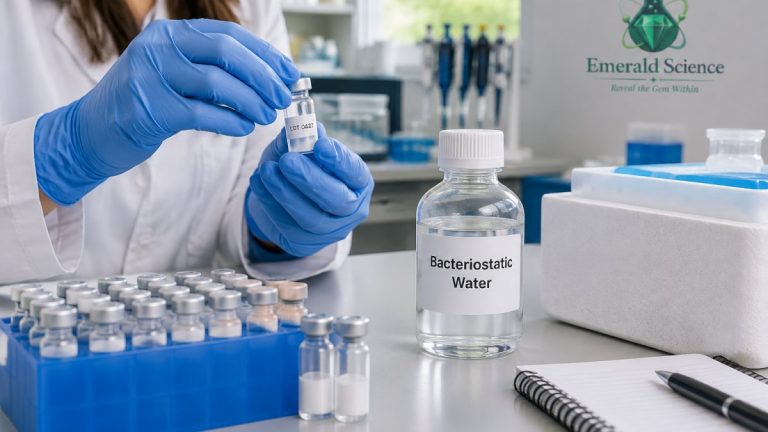
A peptide lot number ties a vial to one production run and its Certificate of Analysis. Learn how to read the label, verify the COA, and spot a mismatch.
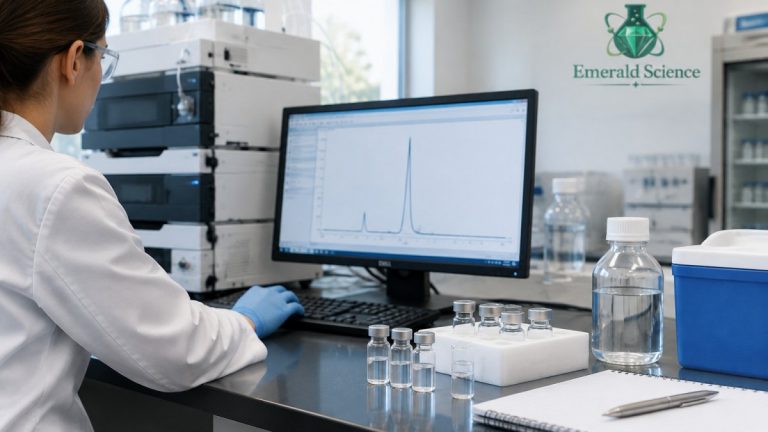
HPLC peptide purity shows what the percentage actually measures and how to read chromatograms. Learn to verify every lot with mass spec before you buy.
Peptide quality control protects your research. Learn how purity testing, batch verification, and certificates of analysis confirm every lot before use.

Peptide mass spectrometry reports decode identity and purity data. Learn how to read spectra, verify masses, and check QC criteria before trusting a lot.

Before buying research peptides with COA, learn the 5 checks that expose a weak lab report and compare suppliers with confidence.
Learn how to compare peptide batches using COAs, HPLC purity testing, mass spectrometry identity, and lot traceability. Verify every lot with confidence.
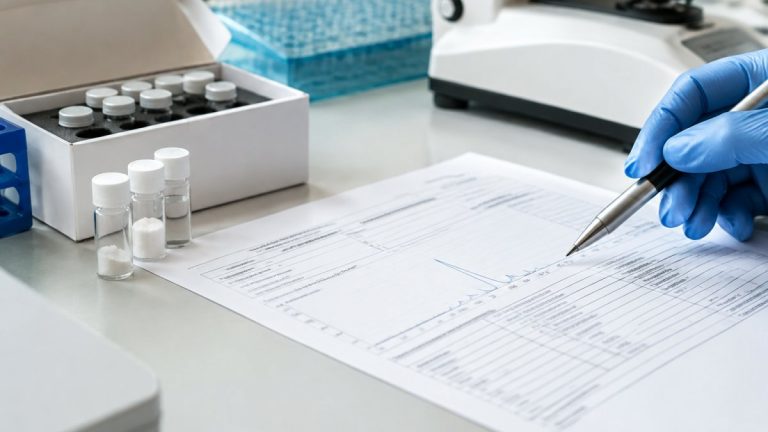
Read a peptide COA step by step: verify the lot number, interpret HPLC purity and mass spec data, and confirm peptide identity and quality.

Peptide supplier reviews are only useful if you can verify the claims. Learn how to read COAs, spot red flags, and score vendors on real quality data.
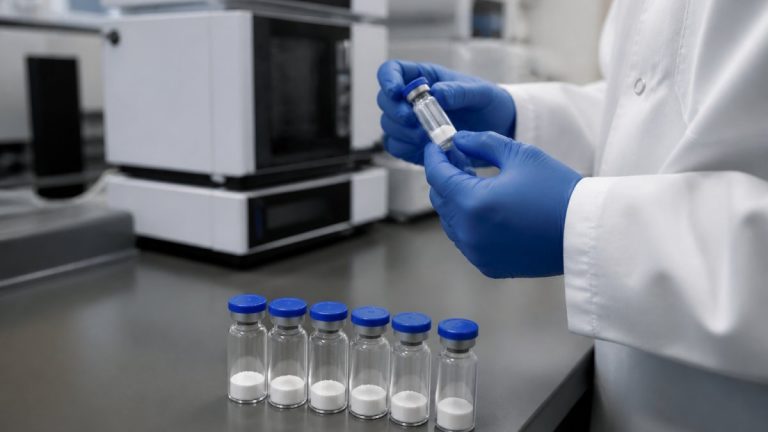
Peptide batch consistency means checking identity, purity and traceability with COAs, HPLC and mass spec. Learn a repeatable batch comparison workflow.
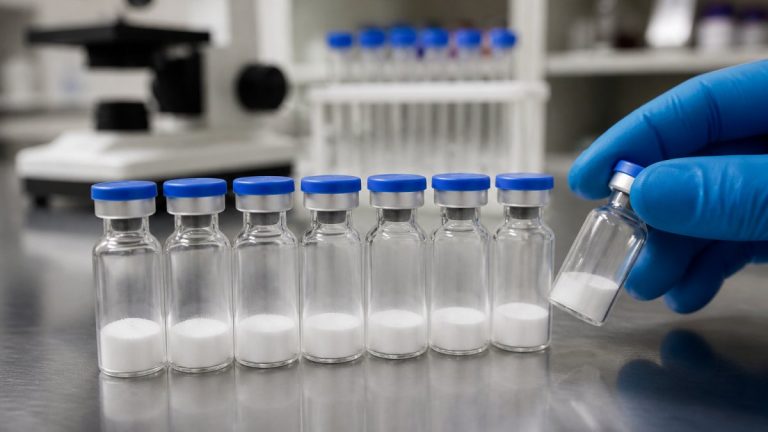
A lot-matched peptide certificate ties one batch to its lab data. Learn the 8 checks that verify lot numbers and flag a bad COA before you buy.
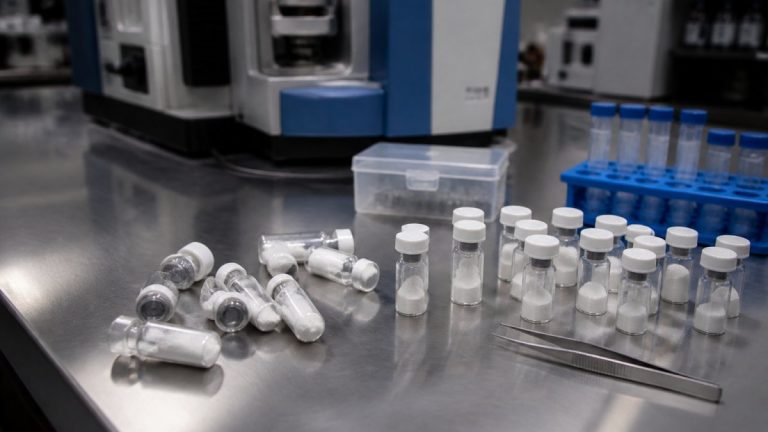
Compare 7 classes of research peptides and what each does, from tissue repair to metabolic signaling. See how purity testing backs the data.

Access is restricted to verified researchers aged 21 and over. Existing customers, log in. New customers, complete a short research verification, then create your login.
Just browsing? View our product catalog →
For in-vitro laboratory research use only. Not for human or animal consumption. 21+ only.